
When Is Surgery Needed for Joint Pain?

Expert Insights by Dr. Vinayaraj M. Kelagadi, Orthopedic & Joint Replacement Surgeon, Kossin Care, Bangalore
“Surgery is not the first option, but when pain steals your mobility and quality of life, it may be the right solution.”— Dr. Vinayaraj M. Kelagadi
Joint pain is one of the most common reasons people visit an orthopedic doctor. From knee pain and hip stiffness to shoulder and spine-related joint issues, discomfort can affect daily activities, sleep, and overall quality of life.
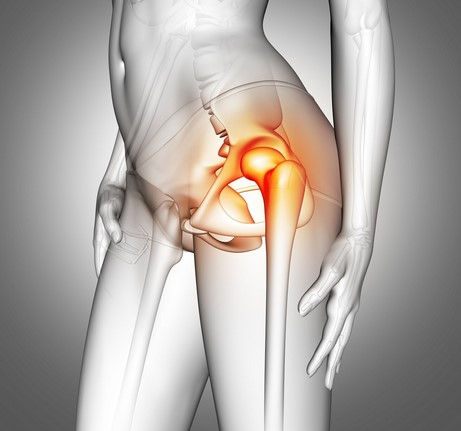
But a question many patients ask is: When is surgery actually needed for joint pain?
At Kossin Care, Bangalore, Dr. Vinayaraj M. Kelagadi emphasizes a conservative-first approach, recommending surgery only when non-surgical treatments no longer provide relief.
Common Causes of Joint Pain
Joint pain can arise due to various reasons, including:
Osteoarthritis (age-related wear and tear)
Rheumatoid arthritis
Sports injuries or trauma
Ligament or meniscus tears
Degenerative spine and joint conditions
Avascular necrosis
Chronic inflammation or infection
Understanding the root cause is key to deciding the right treatment path.
Non-Surgical Treatments Come First
Before considering surgery, most patients benefit from:
Medications and pain management
Physiotherapy and guided exercises
Lifestyle and weight management
Joint injections (steroids or viscosupplements)
Bracing and activity modification
Surgery is considered only when these treatments fail to relieve pain or restore function.
When Does Joint Pain Require Surgery?
1. Persistent Pain Despite Treatment If joint pain lasts for months or years and does not improve with medication, physiotherapy, or injections, surgery may be recommended.
2. Severe Loss of Mobility Difficulty in walking, climbing stairs, lifting the arm, or performing daily activities signals advanced joint damage.
3. Advanced Arthritis In late-stage arthritis, cartilage is completely worn out, causing bone-to-bone friction. In such cases, joint replacement surgery may be the best long-term solution.
4. Structural Damage Conditions like ligament tears, meniscus injuries, or joint deformities often require arthroscopic or corrective surgery.
5. Night Pain and Rest Pain Pain that disturbs sleep or persists even at rest is a strong indicator that conservative care may no longer be sufficient.
6. Reduced Quality of Life When joint pain limits independence, work, or mental well-being, surgery can help restore confidence and mobility.
Types of Joint Surgeries Commonly Performed
Depending on the condition, surgical options may include:
Arthroscopy (minimally invasive keyhole surgery)
Total or Partial Knee Replacement
Hip Replacement Surgery
Shoulder Replacement
Spine-related joint procedures
Corrective osteotomies

Dr. Vinayaraj focuses on evidence-based, patient-specific surgical planning to ensure faster recovery and long-term relief.
Is Joint Surgery Safe?
With modern techniques, advanced implants, and experienced surgeons, joint surgeries today are highly successful and safe. Most patients experience:
Significant pain relief
Improved mobility
Better quality of life
Faster recovery with minimally invasive methods


Comments