
How to Prevent Falls and Fractures in the Elderly

By Dr. Vinayaraj M. Kelagadi | Orthopedic & Joint Replacement Surgeon | Kossin Care, Bangalore

Falls and fractures are among the most common and dangerous health risks for older adults. As we age, our bones become weaker, balance reduces, and even a minor slip can lead to serious injuries such as hip fractures, spine fractures, wrist fractures, or head injuries. The good news is that many fall-related injuries are preventable with the right awareness, lifestyle modifications, and timely medical care.
In this blog, Dr. Vinayaraj Kelagadi, one of the best orthopedic and spine specialists in Bangalore & Kalyan Nagar, explains practical steps to reduce fall risks and protect bone health in the elderly.
Why Are Elderly People More at Risk of Falls?
Several age-related changes increase the chances of falling:
Weak bones (osteoporosis)
Muscle loss (sarcopenia)
Poor balance and reduced reflexes
Vision problems
Joint pain or arthritis
Medications that cause dizziness
Neurological conditions like stroke or Parkinson’s disease
Understanding these risk factors helps in planning proper fall-prevention strategies.
Top Strategies to Prevent Falls & Fractures in the Elderly
. Strengthen Bones With the Right Nutrition
Bone health weakens after the age of 50, especially in women. Proper nutrition can significantly reduce fracture risk.
Key Nutrients:
Calcium: milk, curd, ragi, leafy greens, almonds
Vitamin D: sunlight exposure, supplements
Protein: dals, eggs, milk, nuts, lean meats
Magnesium & Vitamin K for bone metabolism
Dr. Vinayaraj recommends annual bone-density tests for seniors to detect osteoporosis early and prevent fractures.
Falls and fractures in the elderly are not accidents of age—they are preventable events. With timely care, stronger bones, and a safer environment, we can protect our seniors and preserve their independence. – Dr. Vinayaraj M. Kelagadi
2. Ensure a Safe Home Environment
Most elderly falls happen inside the house. Simple modifications go a long way.
Home Safety Checklist:
Remove loose rugs and clutter
Install grab bars in bathrooms
Use anti-skid mats
Ensure proper lighting in all rooms
Keep frequently used items within easy reach
Use sturdy, non-slip footwear
Avoid walking on wet floors
A safe home is one of the strongest defenses against falls.
3. Encourage Regular Exercise
Light physical activity improves balance, strengthens muscles, and enhances confidence in movement.
Recommended Exercises:
Walking
Chair exercises
Mild yoga
Tai Chi
Strength training with supervision
Balance exercises
A physiotherapist or orthopedic doctor can guide personalised routines for seniors with joint pain or mobility restrictions.
4. Check Vision and Hearing Regularly
Poor eyesight or hearing issues can cause missteps.Annual eye check-ups and timely use of spectacles help improve balance and spatial awareness.
5. Review Medications With a Doctor
Certain medications (for BP, diabetes, sleep, anxiety) may cause dizziness or drowsiness.A doctor can review and adjust the dosage to minimise fall risk.
6. Manage Joint Problems & Chronic Pain
Conditions such as knee arthritis, hip arthritis, spine issues, nerve compression, and osteoporosis significantly increase the chance of falling.
Early treatment options include:
Physiotherapy
Orthotic supports
Medications
Vitamin D/Calcium supplements
Minimally invasive procedures
Joint replacement surgery (if needed)
Dr. Vinayaraj Kelagadi specialises in advanced orthopedic treatments, helping seniors improve mobility safely.
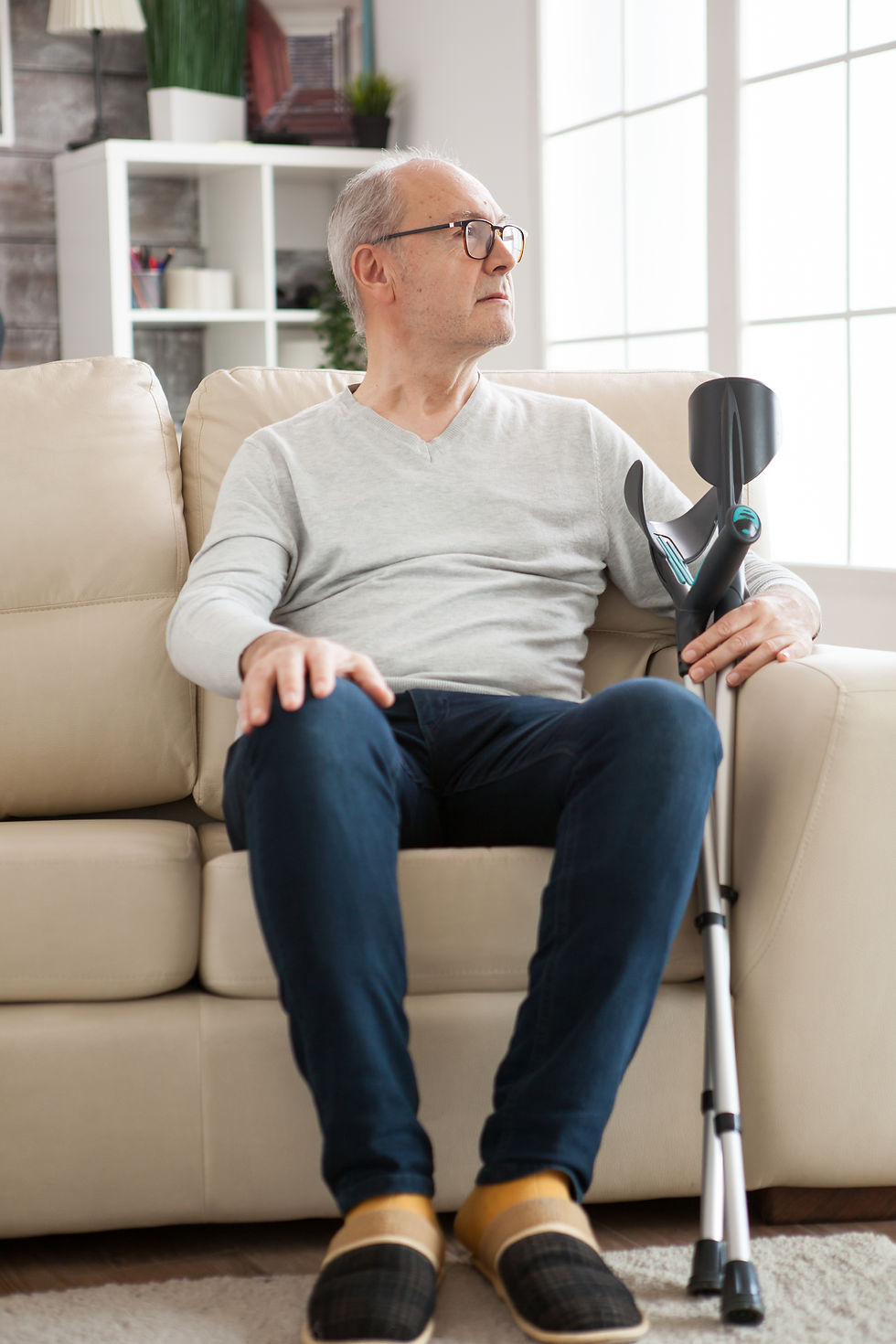
7. Use Assistive Devices When Needed
Walking sticks, walkers, and supportive footwear provide extra stability.Choosing the right device under the guidance of an orthopedic specialist prevents unnecessary strain.

8. Prevent Osteoporosis-Related Fractures
Osteoporosis is the silent cause behind most hip and spine fractures in the elderly.
Tips to Prevent Osteoporotic Fractures:
Get a DEXA Scan every 1–2 years
Maintain vitamin D levels
Take prescribed osteoporosis medication
Avoid sudden twisting or bending movements
Red Flags That Require Immediate Medical Attention
Seek urgent orthopedic evaluation if an elderly person shows:
Frequent falls
Sudden back pain
Difficulty walking
Loss of balance
Dizziness or weakness
Pain in hips, knee, shoulder or spine


Comments