
Total Hip Replacement: What to Expect Before and After

Hip replacement is not just about replacing a joint, it’s about restoring confidence, comfort, and the freedom to move without pain.

Understanding Total Hip Replacement
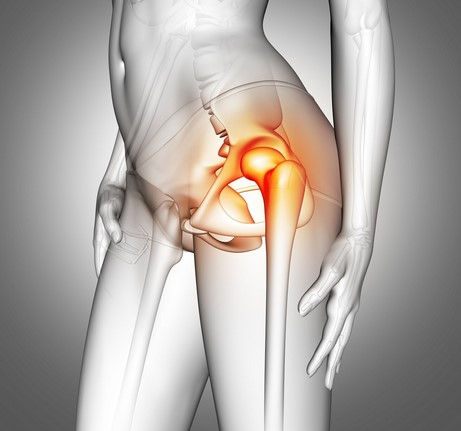
Total Hip Replacement (THR), also known as Total Hip Arthroplasty, is a surgical procedure designed to relieve pain and restore mobility in patients suffering from severe hip joint damage. Conditions such as osteoarthritis, rheumatoid arthritis, avascular necrosis, or traumatic injuries often lead to hip deterioration, making daily activities like walking or climbing stairs painful and difficult.
When Do You Need a Hip Replacement?
You may be advised to undergo a hip replacement if:
You experience chronic hip pain even at rest.
There’s stiffness or reduced movement in your hip joint.
Pain limits your daily activities or quality of life.
Non-surgical treatments like physiotherapy or medications no longer provide relief.

Before the Surgery: What to Expect
Preparation plays a key role in the success of hip replacement surgery.
Medical Evaluation: Your orthopedic surgeon will conduct blood tests, imaging (X-rays or MRI), and assess your overall health.
Pre-Surgery Planning: You may be advised to stop certain medications, perform specific exercises, or maintain a healthy weight.
Home Preparation: Arrange for support during recovery, such as installing handrails or using a raised toilet seat to make post-surgery life easier.
During the Surgery
In a Total Hip Replacement, the damaged hip joint is replaced with a prosthetic implant made of metal, ceramic, or high-grade plastic. The goal is to create a smooth, pain-free joint that restores normal motion. The procedure typically takes 1–2 hours, and most patients begin walking with assistance within a day or two.
After the Surgery: Recovery and Rehabilitation
Post-surgery care is crucial for achieving the best outcome.
Hospital Stay: Usually 2–4 days, depending on your progress.
Pain Management: Your doctor will prescribe medications to ease discomfort.
Physiotherapy: A structured rehabilitation program helps restore flexibility, balance, and muscle strength.
Lifestyle Modifications: Avoid high-impact activities; focus on gentle exercises, walking, and stretching.
Long-Term Results
With proper care and guidance, most patients experience significant pain relief, improved mobility, and enhanced quality of life. Modern implants can last 15–20 years or longer, allowing patients to resume normal activities with confidence.
Expert Care at Kossin Care, Bangalore
At Kossin Care, Dr. Vinayaraj M. Kelagadi and his team specialize in advanced orthopedic treatments, ensuring personalized care from diagnosis to complete recovery. Whether it’s joint preservation, minimally invasive surgery, or full joint replacement, you’re in expert hands committed to restoring your mobility and comfort.
By Dr. Vinayaraj M. Kelagadi, Orthopedic and Joint Replacement Surgeon, Kossin Care, Bangalore
Consult Dr Vinayaraj for Total Hip Replacement Bangalore, Hip Pain Treatment, Orthopedic issues, Hip Joint Surgery, Joint Replacement and Hip Surgery Rehabilitation


Comments